
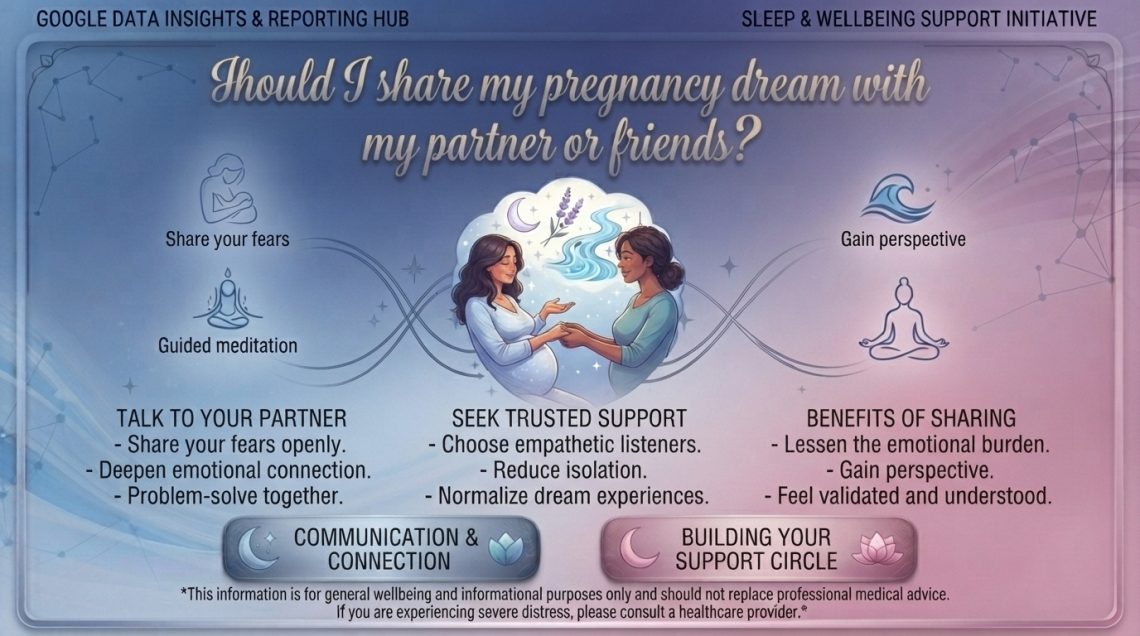
Should I share my pregnancy dream with my partner or friends? You wake up in the dead of night, your mind still buzzing with the cinematic vividness of a strange, powerful, or emotionally gripping dream. In your sleep cycle, you experienced the profound reality of a growing belly, held newborn twins, or navigated a chaotic labor scene. You roll over, stare at the ceiling, and a pressing question hits you: Should I tell anyone about this? Do I share this with my partner, or keep it to myself?
For ambitious professionals, creatives, and families navigating the fast-paced cultural and lifestyle landscapes of New York City, San Francisco, Los Angeles, Seattle (Washington), and bustling commercial hubs across Texas and California, waking up from an intense, intimate dream can completely alter the dynamic of your morning. When that dream involves something as emotionally charged as pregnancy, deciding whether to voice it requires careful thought.
So, should you share your pregnancy dream with your partner or friends?
The short, nuanced answer is: It depends entirely on the emotional tone of the dream, your relationship dynamics, and how your inner circle processes vulnerability. While sharing lighthearted or inspiring dreams can foster deep emotional intimacy, sharing complex or stress-filled dreams with the wrong audience can accidentally trigger unnecessary confusion, anxiety, or miscommunication.
This comprehensive, optimized guide explores the psychology of sharing dreams, provides a framework for deciding who to tell, reviews top-rated communication and journaling tools, offers actionable advice, and answers your most pressing questions.
The Psychology of Sharing Dreams: Why Do We Want to Tell Others?
To understand whether you should speak up about your dream, we must first look at why human brains have an innate urge to share nocturnal visions.
1. The Need for Social Co-Regulation and Validation
Dreams are products of our subconscious minds, operating without our conscious filters. When a dream packs an emotional punch—whether joyous or terrifying—our brains naturally seek external validation to process the experience. Telling a partner or trusted friend is a way of saying, “Help me make sense of what my mind just put me through.”
2. The Trap of Literal Misinterpretation
The biggest risk of sharing a pregnancy dream is that friends or partners often take things literally. If you are not trying to have a baby—or if you are male—telling a partner that you dreamed about pregnancy without immediately explaining the psychological metaphor can lead to awkward double-takes, sudden panic, or crossed wires. Context is everything.
4 Scenarios: When to Share vs. When to Keep It to Yourself
Before you bring up your dream over morning coffee, evaluate which of these four scenarios matches your situation:
1. Sharing an Inspiring or Joyful Dream with a Supportive Partner
- Verdict: Share it.
- Why: If the dream left you feeling energized, creative, or deeply connected to your partner, sharing it can spark a warm, bonding conversation about your shared future, creative goals, or mutual support.
2. Sharing a Stressful or Panic-Inducing Nightmare with a Partner
- Verdict: Share with caution and clear framing.
- Why: If the dream was a chaotic stress nightmare, make sure you preface it by saying: “I had a really stressful dream last night, but I want you to know it’s just my brain processing work burnout.” This prevents your partner from misinterpreting the dream as an unvoiced desire or hidden fear about your relationship.
3. Sharing an Intimate Dream with Casual Friends or Coworkers
- Verdict: Keep it to yourself.
- Why: Pregnancy dreams touch on deep vulnerability, creation, and personal life. Sharing them with colleagues in San Francisco or corporate peers in New York can cross professional boundaries or invite unsolicited, awkward advice.
4. Processing the Dream Internally First (Journaling)
- Verdict: Highly recommended.
- Why: Writing the dream down in a journal first allows you to decode its symbolic meaning before deciding if it’s worth verbalizing to anyone else.
Comparative Matrix: Who to Tell and How It Affects the Dynamic
To help you choose the right audience for your dream narrative, review this comparative breakdown:
| Potential Audience | Best Time to Share | Potential Benefits | Potential Pitfalls |
| Romantic Partner | Over morning coffee or relaxed weekend breakfast. | Deepens emotional intimacy and strengthens shared understanding. | Risk of literal misinterpretation or causing accidental relationship anxiety. |
| Close Confidant / Best Friend | During a casual catch-up or phone call. | Provides a safe, non-judgmental space for humor and emotional release. | May lack the context of your daily internal life and misread your psychological state. |
| Professional Colleagues | Never. | None. Keep personal dream life separate from career spaces. | Unprofessional boundary crossing; invites workplace gossip or awkwardness. |
| Yourself (Via Journaling) | Immediately upon waking up. | Complete honesty, self-awareness, and clear personal decoding. | None; acts purely as a therapeutic mental release. |
Product Reviews: Best Tools for Processing and Recording Dreams
Before venting your dream to others, having the right tools to capture and analyze your thoughts ensures you communicate clearly. Here are four top-rated tools.
1. Day One Journal App
- Best For: Private, secure digital journaling of complex dream narratives.
- Why We Love It: Day One allows you to instantly record voice notes or text entries the second you wake up, helping you externalize your thoughts before deciding whether to share them with a partner.
2. Hatch Restore 2 Smart Sleep Assistant
- Best For: Cultivating peaceful mornings that allow for calm, intentional conversations.
- Why We Love It: By waking you up gently with sunrise lighting and soft audio instead of blaring alarms, the Hatch prevents morning brain fog, setting the stage for clear communication with your partner.
3. The Five-Minute Journal by Intelligent Change
- Best For: Grounding your mindset and sorting out daily emotional priorities.
- Why We Love It: Writing down your thoughts in a structured physical journal helps you separate real waking concerns from bizarre subconscious dream loops.
4. Baloo Weighted Blanket
- Best For: Calming physical adrenaline spikes after waking up from an intense dream.
- Why We Love It: Draping a weighted blanket provides deep touch pressure therapy that grounds your nervous system, ensuring you feel completely centered before starting conversations with others.
Actionable Tips: How to Talk About Your Dreams Effectively
- Lead with the Context: If you decide to tell your partner about a pregnancy dream, start by clarifying its symbolic nature. Say something like, “I had the weirdest dream last night—apparently my brain was processing work stress by making me pregnant with triplets!” This adds immediate humor and prevents panic.
- Check the Room’s Energy: Don’t drop a heavy, emotionally intense dream on your partner when they are rushing out the door to catch a commuter train in New York or rushing to a critical client meeting in Texas. Choose a calm, relaxed moment.
- Use the Dream as a Bridge: If the dream highlighted a desire for deeper connection, stability, or personal growth, use it as a positive conversation starter to talk about your shared life goals and mutual support systems.
- Respect Your Own Privacy: You are under zero obligation to share every nocturnal vision you have. If a dream feels too personal, bizarre, or vulnerable, keeping it as a private journal entry is entirely valid.
10 Comprehensive FAQs
1. Will sharing a pregnancy dream make my partner think I want a baby right now?
It can if you don’t provide context! Always clarify whether the dream felt like a literal desire or a psychological metaphor for work stress, creative projects, or personal growth.
2. Is it normal to keep some dreams completely secret from my partner?
Yes, absolutely. Everyone is entitled to a private inner mental life. You do not need to share every bizarre or fleeting subconscious image with your significant other.
3. What if my partner gets upset or jealous after I share a pregnancy dream?
If your dream featured someone else or touched on sensitive family planning topics, it can spark unexpected jealousy. Reassure your partner that dreams are random neural firings and symbolic metaphors, not conscious choices.
4. Should I share stressful nightmares with my family or friends?
Usually, no. Sharing heavy nightmares with people outside your immediate partnership can cause them to worry unnecessarily about your well-being or relationship stability.
5. How can I tell if a dream is worth sharing?
Ask yourself: Does sharing this bring us closer together, offer a funny story, or help me solve a problem? If the answer is no, it’s better suited for a personal journal.
6. Do men feel awkward sharing pregnancy dreams with their partners?
Many men report feeling initially hesitant or amusedly embarrassed to share male pregnancy dreams. However, sharing them often turns into a great, bonding conversation starter when framed with humor.
7. What is the best time of day to discuss a vivid dream?
During a relaxed weekend morning, over coffee, or during an evening wind-down when neither of you is rushed or distracted by work stress.
8. Can discussing a dream together improve relationship communication?
Yes! Talking about your subconscious fears, creative ambitions, or desires through the lens of a dream can open up deeper, non-threatening dialogues about your waking life.
9. What if my partner isn’t interested in hearing about my dreams?
Some people simply don’t find dream analysis engaging. If your partner tunes out, respect their boundary and channel your dream reflections into a personal journal instead.
10. How do I stop my partner from over-analyzing a dream I shared in confidence?
Explicitly set the boundaries of the conversation. Tell them: “I’m just sharing this because it was wild, not because it means anything deep or scary.”
Conclusion
Deciding whether to share a vivid pregnancy dream with your partner or friends comes down to emotional intelligence, clear framing, and respect for boundaries. Whether you are building a life in the fast-paced corporate arenas of New York, San Francisco, Los Angeles, Seattle, Texas, or California, understanding when to speak up and when to journal privately protects your peace of mind and strengthens your relationships. Frame your dreams with context, use them as creative conversation starters when appropriate, and always trust your instincts on who deserves a window into your inner subconscious world.


