
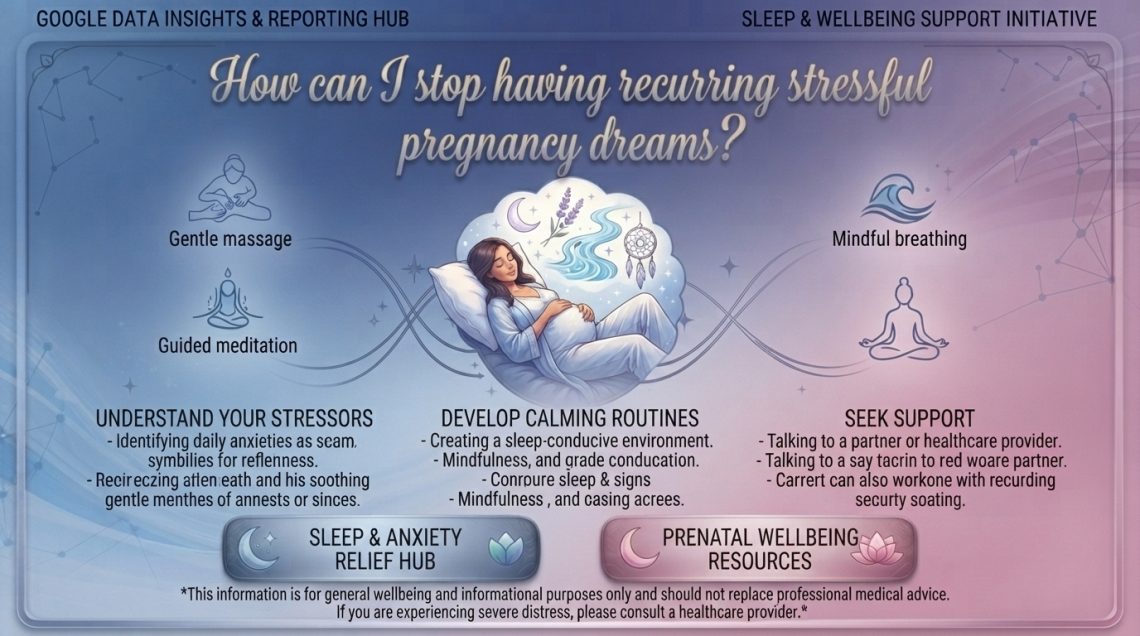
How can I stop having recurring stressful pregnancy dreams? You wake up gasping for air, drenched in a cold sweat, your heart hammering against your ribs as though you’ve just sprinted a marathon. In the cinematic theater of your sleeping mind, you were trapped in a high-stress pregnancy scenario: a frantic, overwhelming labor with no medical help in sight, a sudden panic over being completely unequipped for multiples, or an endless nightmare of recurring anxiety about a pregnancy you never planned for.
You sit up in the dark, rub your eyes, and realize it was just a dream. But the visceral, physical dread lingers, ruining the rest of your night and casting a shadow over your entire morning.
For high-achieving professionals, ambitious entrepreneurs, and busy parents navigating the fast-paced, high-pressure environments of New York City, San Francisco, Los Angeles, Seattle (Washington), and bustling commercial hubs across Texas and California, chronic stress doesn’t clock out when the workday ends. It follows you straight into your REM sleep cycle, morphing into exhausting, recurring nightmares.
If you are trapped in a loop of stressful nocturnal visions, you are likely asking a desperate question: How can I stop having recurring stressful pregnancy dreams?
The short, reassuring answer is yes, you can stop them by addressing the root psychological and physiological triggers. While you cannot manually control your sleeping brain, you can radically alter the daytime habits, stress levels, and sleep architecture that fuel these intense nightmares.
This comprehensive, optimized guide explores the neurobiology of stress nightmares, reviews top-rated sleep optimization tools, provides actionable psychological tips, and features an extensive FAQ section to help you reclaim peaceful, restorative rest.
The Neurobiology of Stress Nightmares: Why Pregnancy?
To stop recurring stressful pregnancy dreams, you first need to understand why your brain chose this specific narrative to express anxiety.
1. Pregnancy as the Ultimate Metaphor for Overwhelming Responsibility
In the language of the subconscious, pregnancy represents absolute, unyielding accountability, invisible work, and a future that is entirely out of your direct control once it arrives.
- If you are drowning in corporate deadlines in Manhattan, managing high-stakes tech rollouts in San Francisco, or juggling intense financial growth across Texas and California, your brain views that waking pressure as an “unmanageable burden.”
- Because human brains naturally use visual metaphors, your waking stress gets translated into the ultimate universal symbol of heavy responsibility: a high-stress pregnancy or birth nightmare.
2. The Cortisol-REM Feedback Loop
When you experience chronic stress, your adrenal glands pump out excess cortisol and adrenaline. Elevated cortisol severely fragments your sleep architecture, keeping you trapped in hyper-aroused REM (Rapid Eye Movement) cycles.
- This leads to REM rebound, where dreams become hyper-vivid, emotionally charged, and terrifyingly realistic.
- If you don’t lower your evening cortisol levels, your brain replays the same stress loops night after night, cementing them as recurring nightmares.
5 Major Waking Triggers Behind Stressful Pregnancy Dreams
If your dreams are repeating on a loop, your waking life is likely sending out unaddressed SOS signals. Here are the five most common triggers:
1. Unresolved Waking-World Burnout and Overcommitment
Are you saying “yes” to too many projects? When your plate is dangerously overloaded, your subconscious mind panics. A nightmare about being unprepared for a baby is your brain’s literal way of telling you that you have bitten off more than you can chew professionally or personally.
2. Fear of Impending Life Changes or Imposter Syndrome
Stepping into a major promotion, relocating to a new city like Seattle or Austin, or starting a business brings massive uncertainty. Stressful pregnancy dreams frequently occur when you feel like a major life change is moving too fast and you are terrified of failing under the spotlight.
3. Physical Discomfort and Poor Sleep Hygiene
Eating heavy meals late at night, consuming alcohol, or sleeping in an overheated room spikes your core body temperature and triggers erratic brain activity. Physical bodily discomfort during sleep is easily misinterpreted by the dreaming brain as a medical or physical emergency, sparking panic-filled dreams.
4. Unprocessed Emotional Trauma or Fear of Loss
If you have experienced past trauma, loss, or complicated medical fears surrounding family planning, your brain may use dreams as an imperfect simulator to try and “control” outcomes, resulting in recurring anxiety nightmares.
5. Perfectionism and the Need for Absolute Control
Control freaks and high-achieving perfectionists struggle deeply with uncertainty. Pregnancy is the ultimate exercise in relinquishing control over your body and future. If you fight against the natural flow of uncertainty in your waking life, your dreams will push back with chaotic, out-of-control scenarios.
Comparative Matrix: Peaceful Dreams vs. Recurring Stress Nightmares
To help you distinguish between normal creative dreaming and destructive stress loops, review this comparative breakdown:
| Dream Characteristic | Normal / Creative Dreams | Recurring Stressful Pregnancy Dreams |
| Frequency | Sporadic, changing narratives, easily forgotten. | Repetitive, recurring themes, rigidly sticking to the same anxious plot. |
| Physical Aftermath | Neutral or mildly amusing; you wake up rested. | Adrenaline spikes, racing heart, sweating, and lingering daytime exhaustion. |
| Underlying Waking State | Balanced emotional processing, low-to-moderate daily stress. | High chronic stress, unmanaged burnout, perfectionism, or overcommitment. |
| Psychological Function | Day-to-day data sorting, memory consolidation, and creative play. | An emergency alarm bell from your subconscious demanding a lifestyle or stress adjustment. |
Product Reviews: Best Tools for Calming Nightmares & Optimizing Sleep
Breaking a recurring nightmare cycle requires upgrading your sleep environment and calming your nervous system. Here are four top-rated tools designed to protect your rest.
1. Hatch Restore 2 Smart Sleep Assistant
- Best For: Cultivating an intentional, screen-free evening wind-down routine.
- Why We Love It: By combining guided meditations, sleep stories, and soothing ambient noise, the Hatch helps high-achieving professionals transition out of high-stress work modes, lowering evening cortisol levels before bed.
2. Oura Ring Generation 4
- Best For: Tracking nocturnal heart rate variability (HRV) and nighttime stress metrics.
- Why We Love It: The Oura Ring gives you concrete data on how late-night eating, alcohol, or work stress directly sabotage your sleep quality, allowing you to make adjustments that eliminate nightmare triggers.
3. Baloo Weighted Blanket
- Best For: Grounding the nervous system immediately after waking up from a panic-filled dream.
- Why We Love It: Draping a weighted blanket provides deep touch pressure therapy that instantly slows down a racing heartbeat and signals safety to your brain, stopping nightmare-induced adrenaline spikes.
4. The Five-Minute Journal by Intelligent Change
- Best For: Brain-dumping daily anxieties and writing down tomorrow’s to-do list before sleep.
- Why We Love It: Offloading your mental loops onto paper stops your subconscious mind from wrestling with unresolved work stress while you are trying to sleep.
Actionable Tips: How to Permanently Stop Recurring Stress Dreams
- Rewrite the Ending (Imagery Rehearsal Therapy): During the daytime when you are fully awake, write down the exact plot of your stressful pregnancy dream. Then, consciously rewrite the ending so that it resolves peacefully or triumphantly. Visualizing this new positive ending trains your brain to break the nightmare loop.
- Perform a Nightly “Brain Dump”: Never go to bed with tomorrow’s to-do list bouncing around your head. Spend 10 minutes writing down your stressors, pending tasks, and worries in a physical journal to clear your mental RAM.
- Cut Off Caffeine and Alcohol 6 Hours Before Bed: Both substances severely disrupt REM sleep stability and spike nighttime heart rates, directly contributing to intense, terrifying nightmares.
- Set Firm Professional Boundaries: If your dreams are screaming that you are overworked, listen to them. Decline non-essential meetings, delegate tasks, and protect your personal time fiercely.
- Engage in Somatic Grounding: If you wake up from a stress dream, don’t stay in bed tossing and turning. Get up, drink a glass of cold water, wrap yourself in a blanket, and practice box breathing for 5 minutes to reset your nervous system.
10 Comprehensive FAQs
1. Why do I keep having the exact same stressful pregnancy dream over and over?
Recurring dreams are your subconscious mind’s way of flashing a warning light at a problem you refuse to fix in your waking life. Until you resolve the underlying stressor (such as burnout or anxiety), the brain keeps running the simulation.
2. Can eating spicy or heavy foods before bed cause nightmares?
Yes! Late-night digestion increases metabolic activity and body temperature, sending mixed signals to the brain that trigger hyper-vivid, erratic, and often frightening REM nightmares.
3. Are recurring stress dreams a sign of a mental health condition?
While they are commonly caused by everyday chronic stress and anxiety, persistent nightmares can sometimes be a symptom of PTSD or clinical anxiety. If they severely impact your quality of life, consulting a licensed therapist is recommended.
4. What is Imagery Rehearsal Therapy (IRT)?
IRT is a clinically proven, evidence-based cognitive behavioral technique where you take a recurring nightmare, change its script during daylight hours while awake, and mentally rehearse the new positive version to stop the nightmare loop.
5. Why do men experience stressful pregnancy or responsibility nightmares?
Men frequently experience stress nightmares involving overwhelming responsibility, failing a major task, or being unprepared. It reflects the heavy psychological weight of professional pressure, financial stress, or impending fatherhood.
6. Can certain medications trigger vivid stress dreams?
Yes. Medications such as antidepressants, blood pressure drugs, and sleep aids (including melatonin supplements in high doses) are well-documented to increase dream vividness and occasionally trigger nightmares.
7. How long does it take for recurring nightmares to stop once I reduce my stress?
Once you successfully lower your daily cortisol levels, fix your sleep hygiene, and resolve waking-world stressors, most people notice a significant drop in nightmare frequency within 1 to 3 weeks.
8. Should I wake myself up immediately when a stress dream starts?
If you realize you are having a nightmare, trying to practice lucid dreaming to change the scenario is ideal. However, if panic sets in, waking yourself up gently and engaging in grounding exercises is the safest way to protect your nervous system.
9. Can pregnancy dreams be prophetic warnings of future failure?
Not at all. Dreams are emotional and psychological mirrors, not fortune-telling devices. A stressful dream about failing a task simply means you care deeply about succeeding and are feeling heavily pressured.
10. How can I create a bulletproof bedtime routine to banish nightmares?
Combine a digital curfew (no screens 1 hour before bed), a warm shower or bath to drop your core body temperature, journaling to clear your mind, and a cool, pitch-black, quiet bedroom environment.
Conclusion
Waking up trapped in the suffocating grip of a recurring stressful pregnancy dream is exhausting, disorienting, and physically draining. But these intense nocturnal visions are not a life sentence—they are an urgent, caring message from your own mind, demanding that you slow down, shed unmanageable burdens, and take care of yourself. Whether you are scaling the corporate ladder in New York City, launching tech innovations in San Francisco, or managing high-pressure lifestyles across Texas, California, and Washington, take control of your waking stress, optimize your sleep hygiene, and reclaim your nights for peaceful, restorative rest.


